Is Big Chocolate Finally Being Held Accountable?
It starts with a familiar moment.
You’re standing in line at the grocery store. You reach for your favourite chocolate bar—the one you’ve been buying for years, maybe even since childhood. It’s a little indulgence. A quick boost on a hard day. The packaging feels nostalgic, the brand is everywhere, and the price is always right.
But behind that glossy wrapper, something darker is finally coming to light—and the world is starting to ask: At what cost does this chocolate come?
For decades, the truth about Big Chocolate has been quietly buried under clever marketing and heartwarming ads. But today, thanks to a growing body of lawsuits, labour exposés, and global pressure, some of the industry’s biggest players—Nestlé, Mars, Hershey’s, Mondelēz, and Cargill—are being forced into the spotlight.
🍫 The Bitter Truth: Child Labour & Exploitation in the Cocoa Industry
Let’s start with the numbers.
An estimated 1.56 million children work in cocoa production in Ghana and Côte d’Ivoire—the two countries that produce over 60% of the world’s cocoa (ICI Cocoa Initiative, Government of Canada). Many of these children face hazardous conditions: carrying heavy loads, handling machetes, or being exposed to harmful chemicals.
These facts have been known for more than two decades.
Back in 2001, after public outrage, major chocolate companies signed the Harkin–Engel Protocol (ICI Cocoa Initiative), a non-binding agreement to eliminate the “worst forms of child labour” in their cocoa supply chains by 2005. That deadline passed. So did the next one. And the next.
In 2020, a report by NORC at the University of Chicago (NORC Report, U.S. Department of Labour) found little to no progress. In fact, child labour in cocoa farms had increased.

⚖️ The Lawsuits That Refused to Stay Quiet
Things escalated when the world began to take legal action.
In 2021, Nestlé and Cargill were named in a U.S. Supreme Court case filed by former child labourers from Mali (Justia Supreme Court). The plaintiffs alleged that these companies aided and abetted enslavement on cocoa farms in Côte d’Ivoire. While the Supreme Court ultimately dismissed the case (on jurisdictional grounds, not merit), it was a landmark moment: for the first time, child labour victims directly challenged Big Chocolate in U.S. courts.
Then, in 2023, Mars, Hershey, Nestlé, and Mondelēz were all listed in a class action lawsuit filed in the U.S. District Court (International Rights Advocates, Powder & Bulk Solids). The case accused these corporations of false advertising by marketing their chocolate as “sustainable” or “ethically sourced”—when in reality, they were allegedly profiting from exploitative labour practices.
And in Europe, the German NGO ECCHR (European Center for Constitutional and Human Rights) filed complaints against Nestlé and Cargill, demanding accountability for alleged labour abuses (ECCHR).
These lawsuits might not always win in court—but they’re winning in the court of public opinion.
🌍 The Supply Chain Shell Game
One of the major challenges in chocolate production is traceability. Many large companies still rely on complex, opaque supply chains involving multiple middlemen, which makes it easy to claim ignorance when labour abuses are exposed.
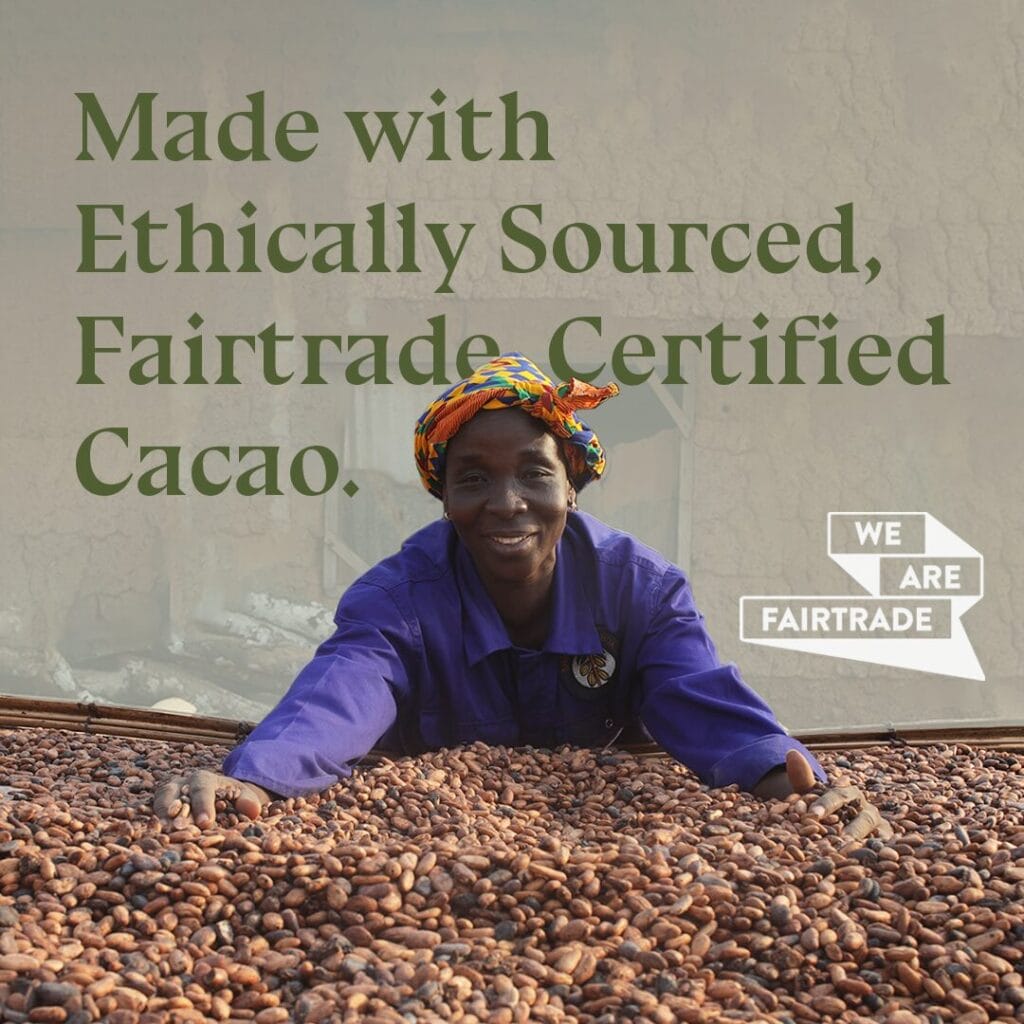
Even when brands promote “ethical sourcing,” the fine print often tells another story. Some use mass balance systems—a method where ethically-sourced beans are mixed with conventional ones—allowing companies to use fair trade logos, even if the bar in your hand contains zero fair trade cocoa (Fairtrade International).
Trivia: The Rainforest Alliance frog logo does not guarantee that 100% of the product was ethically sourced—only that a portion of ingredients were, or that sustainability practices were encouraged. Many consumers assume otherwise (Rainforest Alliance).
🇪🇺 New Laws Are Forcing Change (Finally)
There’s reason for cautious hope. In 2024, the European Union passed the Corporate Sustainability Due Diligence Directive (CSDDD) (European Commission, EUR-Lex). This legislation requires companies to identify, prevent, and address human rights and environmental abuses in their supply chains—and holds them legally liable if they fail to do so.
Meanwhile, countries like Germany (through its Supply Chain Act (BMAS, Norton Rose Fulbright) and France (Supply Chain Dive, French Treasury) have adopted similar legislation.
👁️🗨️ Shining a Light: Journalism & Public Awareness
Journalistic exposés have also played a massive role in this shift. Investigations by The Washington Post (Washington Post), The Guardian (The Guardian), and CNN (CNN) have documented cases of children trafficked from Mali, working without pay on Ivorian farms that supply cocoa to major brands.
One chilling report revealed that some children had never been paid, didn’t know what the cocoa beans were used for, and had no way out (The Guardian).
Social media has further amplified these voices. Documentaries like “The Dark Side of Chocolate” (YouTube) and “Bitter Chocolate” (Netflix) have resurfaced online, drawing millions of views and reigniting outrage.

🌍 Why Ethical Chocolate Matters
It’s easy to feel powerless against giant corporations, but the truth is: consumer choices can drive real change. The more we support ethical chocolate brands, the harder it becomes for industry giants to continue exploitative practices unchecked.
🍫 Supporting Brands Like The Good Chocolatier Matters
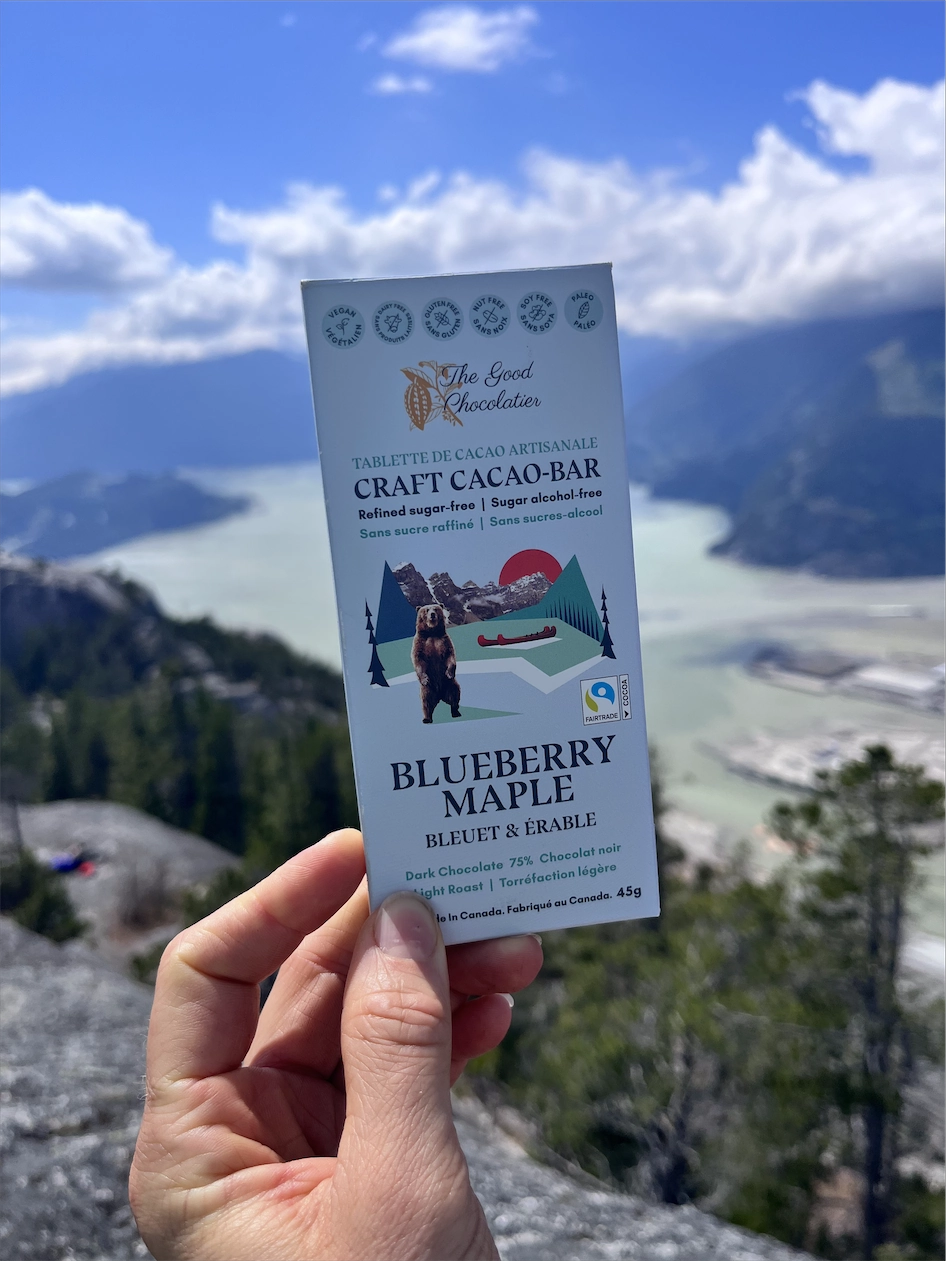
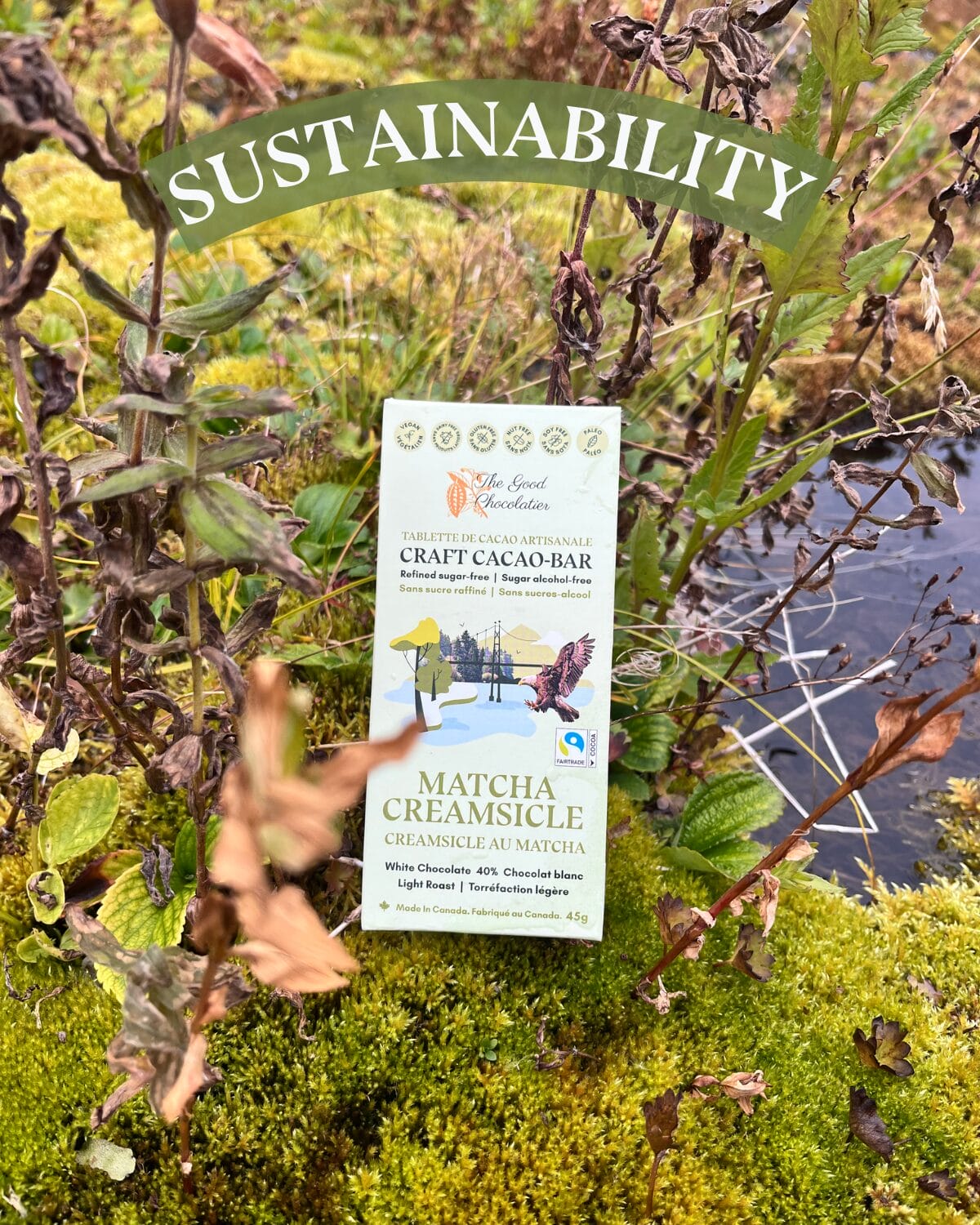
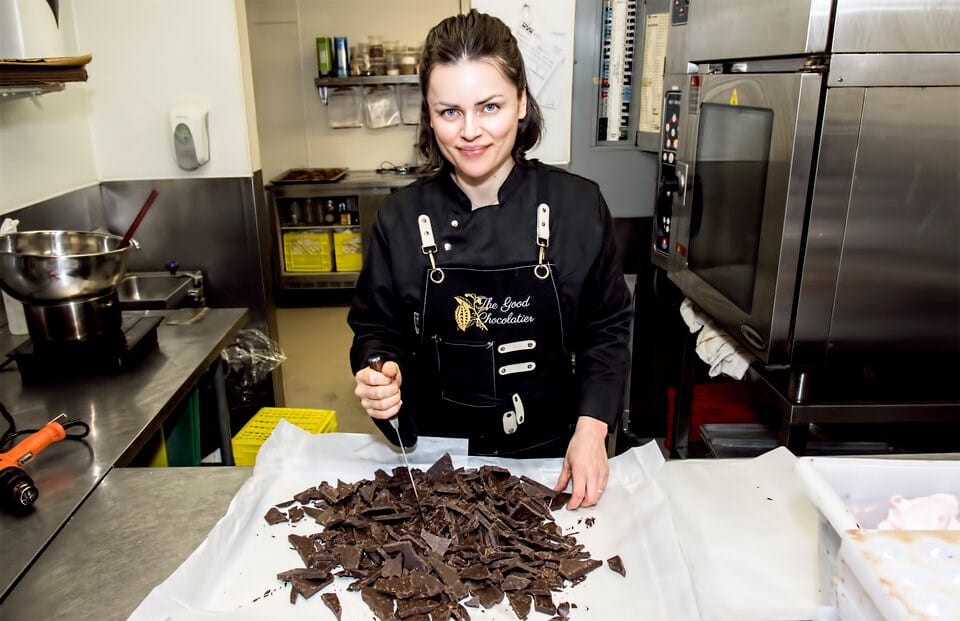
Companies like The Good Chocolatier are proving that chocolate can be made ethically, sustainably, and transparently. Unlike major brands that rely on opaque, multi-layered supply chains, The Good Chocolatier ensures its cocoa is sourced directly from smallholder farmers who receive fair wages—cutting out exploitative middlemen.
Supporting certified fair trade brands means backing systems that prioritize: ✅ Living wages for farmers ✅ No forced or child labour ✅ Sustainable farming practices ✅ Community development in cocoa-growing regions
When we buy ethical chocolate, we aren’t just indulging—we’re contributing to a future where chocolate doesn’t come at the cost of human dignity.
💬 The Takeaway: What Can You Do?
So, is Big Chocolate finally being held accountable? The short answer: They’re being watched like never before. The long answer: Real change depends on what happens next — in courtrooms, boardrooms, and in shopping aisles like the one you stood in.
Here’s what you can do:
Vote with your wallet. Ethical chocolate may cost more, but the cost of ignoring these issues is far higher.
Ask brands for transparency. If they can’t trace their cocoa to the farm, they probably shouldn’t be in your pantry.
Support ethical chocolate. Look for companies that go beyond certifications and publish detailed sourcing practices.
Spread awareness. Share articles, documentaries, and facts — because most people still don’t know.
🍫 A Better Kind of Chocolate
While Big Chocolate faces the heat, here’s what doing it right looks like:

— made with transparently sourced cacao, organic hazelnuts, and sweetened naturally with coconut sugar.
It’s rich, crunchy, ethically made, and yes — currently on sale.
Because good chocolate shouldn’t come at someone else’s expense.